
14
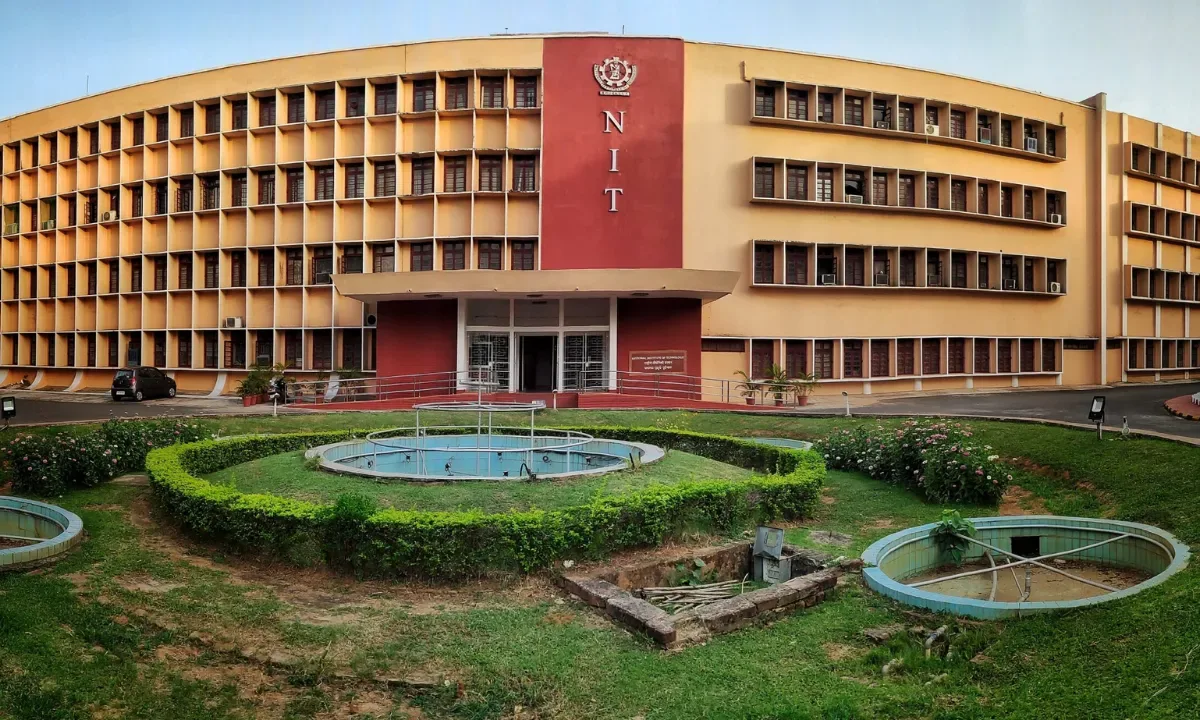
NIT Rourkela: Indian and Turkish researchers are studying how digital tools can transform agricultural productivity.
NIT Rourkela: Researchers from NIT Rourkela and Turkey’s Azerbaijan State University of Economics have conducted a study on agricultural productivity and sustainability in 27 developing countries through digital tools and renewable energy. The study found a collective impact of internet, mobile connectivity, renewable energy, agricultural land and fertilizer use on food production. According to researchers, these technologies are bringing significant changes in agriculture. The findings of this study have been published in the prestigious journal “Technology Analysis and Strategic Management”. Everything from the way we communicate and work to food production and meeting our energy needs is being revolutionized by the Internet and renewable energy. The Internet in agriculture has changed the way food is produced, marketed and consumed. Farmers can now check market prices before selling their produce, compare fertilizer prices online and learn sustainable farming techniques.
Relief to small farmers from solar energy
According to Professor Narayan Sethi, Department of Humanities and Social Sciences, NIT Rourkela, a simple mobile phone can bridge the gap between farmers and the market. Can improve transparency, bargaining power and overall efficiency. Along with emerging technological trends, the growing trend towards renewable energy is also changing agricultural practices. Sethi said solar powered irrigation is helping small farmers deal with irregular power supply. Speaking about how the internet and renewable energy are impacting agriculture, Sethi said the agriculture sector is a major source of employment and income in developing countries like India. The government can give priority to training programs to encourage sustainable farming through multi-cropping systems, irrigation techniques and proper use of fertilizers. The research team used advanced econometric methods to analyze agriculture-related data from 27 developing countries from 2000 to 2021.
Agriculture is the backbone of developing countries
Researchers found that the Internet, mobile phones and renewable energy all boost agricultural productivity. Litu Sethi, a researcher at NIT-Rourkela, said that agriculture is the backbone of developing countries, where more than 50 percent of the workforce directly or indirectly engaged in agriculture is related to agriculture. The researchers said that governments of developing countries should invest in ICT infrastructure to increase internet access for rural farmers and promote digital literacy through training programs. Policies that provide free or subsidized mobile services can help small farmers access important information about markets, weather, and soil health. Also, greater adoption of renewable energy for irrigation and cold storage should be encouraged. Sethi said that integrating renewable energy with digital tools is to boost sustainable agricultural productivity.
Also read: More than 32,000 teachers affected: Meghalaya government with teachers, SC will go against mandatory TET